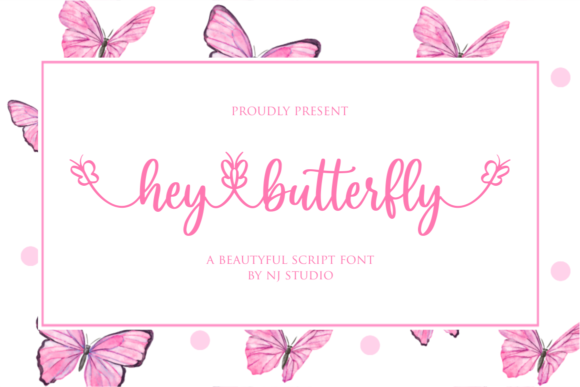
Hey Butterfly: A Handwritten Font for Creative Projects
There I was, staring at a blank brand board, trying to find the right visual voice for a new artisanal skincare line. The client wanted something soft, approachable, and a little whimsical—like a gentle whisper of nature. I reached for my usual arsenal of fonts, but nothing felt quite right. That’s when I stumbled on Hey Butterfly, a handwritten font with a butterfly twist that added just the right touch of charm.
The Visual Personality of Hey Butterfly
Hey Butterfly is more than just a font—it’s a vibe. Its characters are delicate, with subtle flourishes that evoke the lightness of a butterfly’s wings. Each letter feels handcrafted, as if someone took a pen and sketched it out with care. The PUA encoding ensures you can access all the unique characters without any hassle, which is a big plus for designers who want to experiment with custom glyphs and decorative elements.
The font has a playful yet refined personality. It’s not overly casual or childish, but it does carry a sense of warmth and creativity. It works well in projects that aim to feel personal, like handmade shops, boutique brands, or eco-conscious businesses looking to communicate authenticity.
Testing Hey Butterfly in Real Branding Work
I tested Hey Butterfly across several design assets for the skincare brand. On the logo concept, it added a soft, elegant edge that balanced well with a minimalist icon. When paired with a serif font for the tagline, it created a nice contrast without clashing. The font also stood out on packaging mockups, where its whimsical style complemented the product’s natural ingredients and calming aesthetic.
On business cards, it brought a touch of personality that made the brand feel more human. In social media graphics, it caught the eye as a headline font, especially when used in bold, centered text. For a website header, it provided a friendly, inviting tone that matched the brand’s overall message.
When Hey Butterfly Shines
Hey Butterfly excels as a display or headline font. It’s perfect for short phrases, logos, and branding elements that need a bit of character. Its handwritten style makes it ideal for creative studios, handmade shops, and small businesses looking to stand out with a unique visual identity.
It also works well in editorial design, such as magazine layouts or blog headers, where a personal touch can enhance the storytelling. For web design, it adds a human element to digital experiences, especially when used sparingly and paired with a clean sans-serif for body text.
Limitations and Considerations
While Hey Butterfly is beautiful, it’s not a font for every project. Its cursive style and intricate details may not be suitable for long-form text or formal corporate branding. In small sizes, some characters can become less legible, so it’s best avoided for body copy or detailed signage.
For commercial use, it’s important to check the licensing terms. Hey Butterfly is a premium font, and while it offers flexibility, it’s always wise to confirm that it meets the needs of your specific project, whether it’s for print, digital, or merchandise.
Pairing Hey Butterfly with Other Fonts
One of the strengths of Hey Butterfly is how well it pairs with other typefaces. When used alongside a simple sans-serif, it creates a balanced look that’s both modern and expressive. Pairing it with a classic serif font can add a touch of elegance, making it suitable for more refined brand identities.
For a more contemporary feel, it works well with geometric sans serifs or minimalist script fonts. The key is to use it as an accent rather than the main text, allowing it to shine without overwhelming the design.
Final Thoughts on Hey Butterfly
Hey Butterfly is a font that brings a sense of artistry and individuality to any project. Whether you’re designing a logo, packaging, or social media content, it adds a unique flair that can elevate your work. It’s a great choice for designers looking to inject personality into their designs without sacrificing professionalism.
If you’re working on a project that calls for a soft, creative, or whimsical tone, Hey Butterfly is worth exploring. Just remember to test it in real-world scenarios before finalizing your design, and always consider the context in which it will be used.